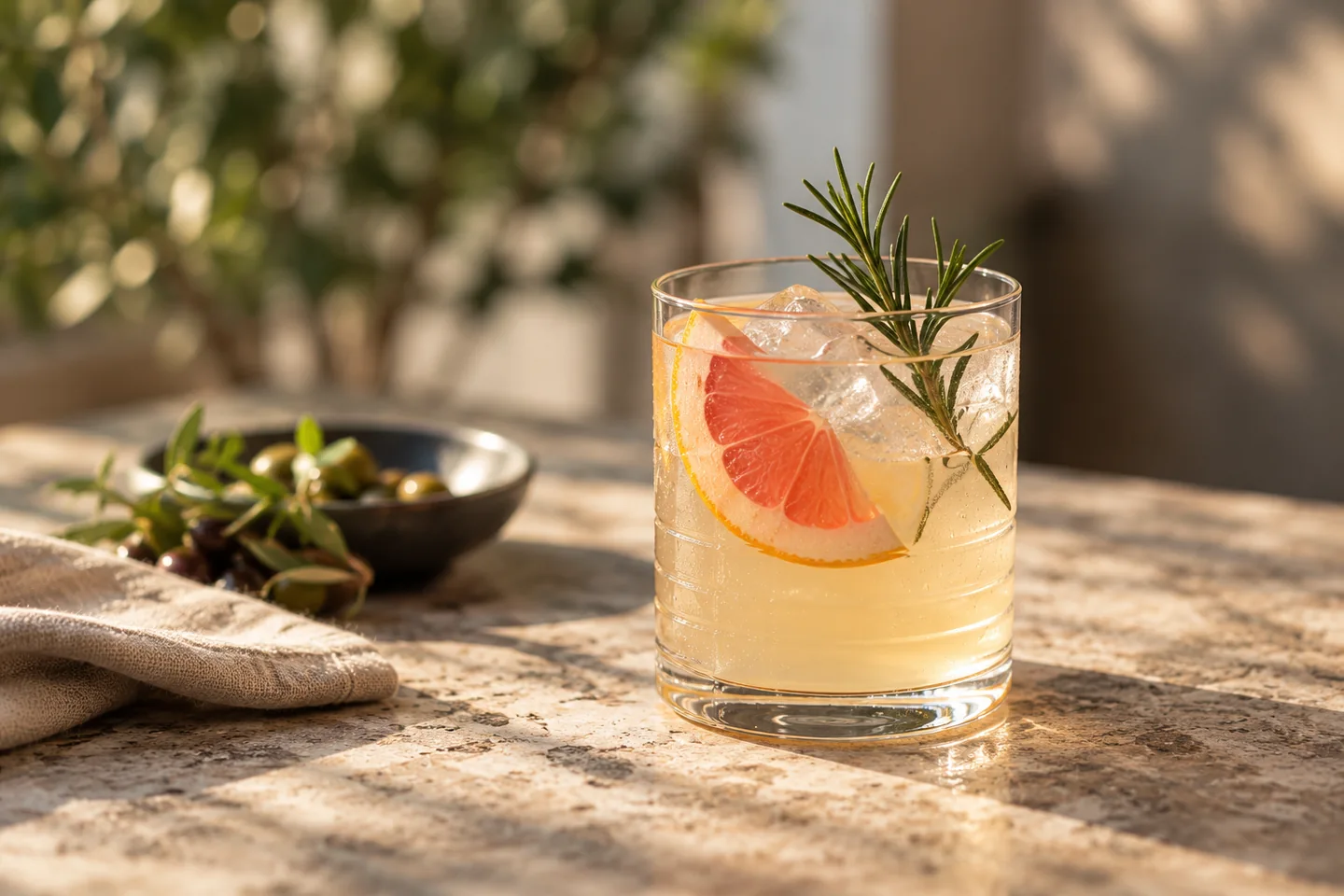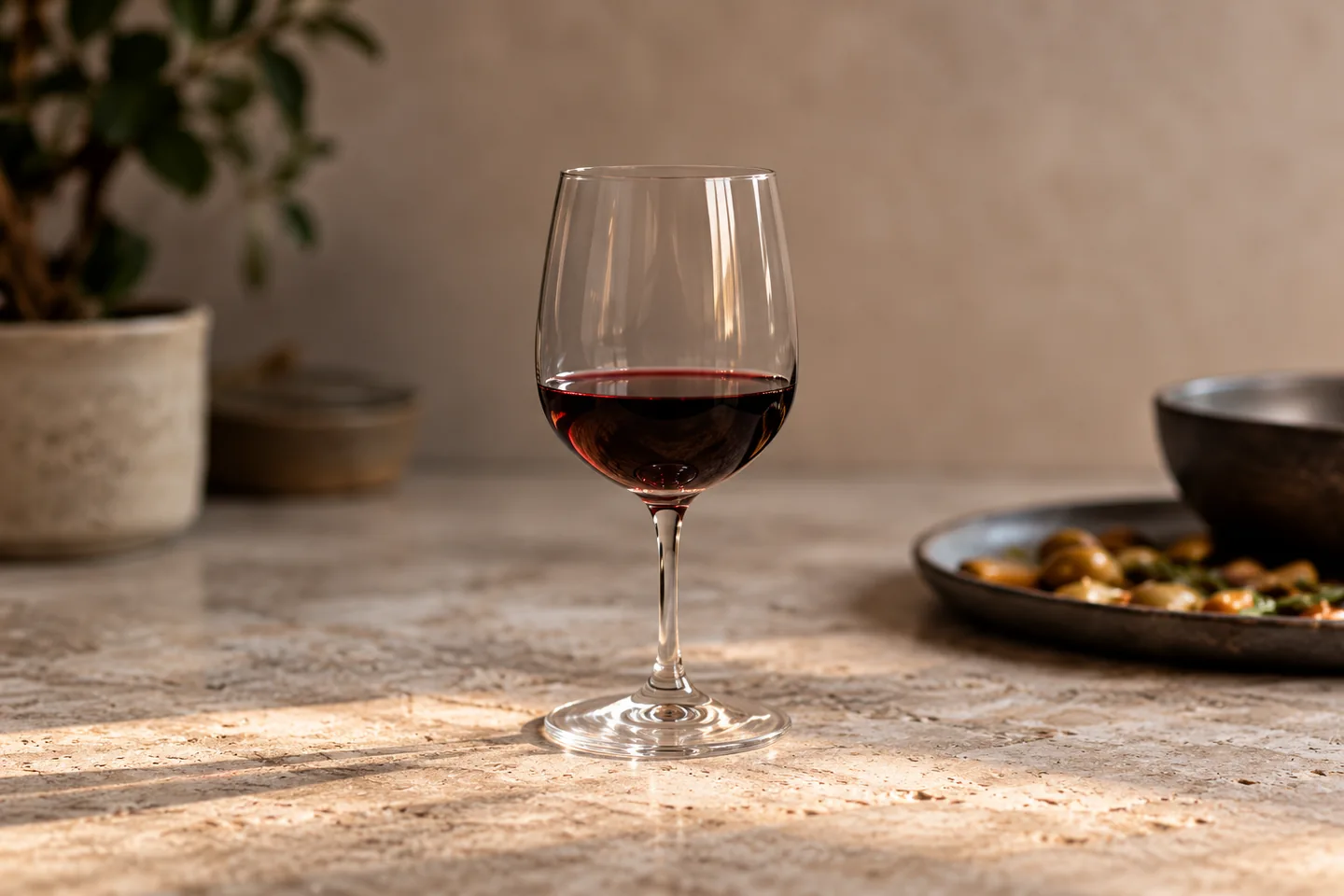
“One glass” sounds like a straightforward measure, until the glass is large, the pour is generous, or the wine is stronger than expected. Looking at volume and alcohol by volume together turns that vague description into something you can understand.
The size of the glass tells you very little
A large bowl can make a substantial pour look small. A narrow glass can make the same amount look fuller. Judging by how far the wine reaches up the side is unreliable because the shape changes the relationship between height and volume.
At home, one practical way to become familiar with a pour is to measure water into your usual glass. You can see where a known amount sits without opening a bottle or making the exercise part of a drinking occasion. Repeat it with a second glass and the visual difference becomes clear.
What a US standard drink means
A US standard drink contains about 14 grams, or 0.6 US fluid ounces, of pure alcohol. NIAAA uses 5 US fluid ounces of wine at 12% ABV as one example. The measure describes alcohol content; it does not describe a risk-free amount or make a recommendation to drink.
ABV means alcohol by volume. A 14.5% wine contains more alcohol in the same volume than a 12% wine. At 5 US fluid ounces, that 14.5% pour is approximately 1.2 US standard drinks. A larger pour increases the amount further.
The calculator estimates alcohol mass from pour volume, ABV as a fraction, and an approximate ethanol density, then divides by 14 grams per US standard drink. The result depends on the accuracy of the volume and label information entered. Standard-drink definitions differ by country, so our tool identifies its US basis explicitly.
Make the next pour a deliberate one
If you choose to drink, deciding the amount before pouring can be easier than trying to reconstruct it later. You might use a smaller glass, pour a measured amount, or put the bottle away after serving. These are ways to make a decision visible to yourself.
Continuous topping-up makes that visibility harder. A glass that never looks empty can contain several separate pours over an evening. Ask for a fresh decision before a refill: “I am keeping track of the pour, so please leave this one as it is.” A host or server does not need a longer explanation.
- Use the same unit consistently: millilitres and US fluid ounces are different measures.
- Read the ABV on the bottle in front of you.
- Treat each refill as a new pour rather than an extension of the first.
- Record an estimate honestly when exact measurement is unavailable.
Use the number for perspective
A calculated total can be useful information, but it cannot tell you whether it is safe to drive, combine alcohol with a medicine, or continue drinking. Individual circumstances matter, and a log is not a medical assessment.
It is also possible to have a carefully measured pour that does not fit your goals. Precision helps you understand the choice; it does not remove the need to make one. Drinking less generally lowers alcohol-related health risks, and choosing not to drink is a valid option at any occasion.
Keep the record simple
A useful entry needs only a date, an estimated volume, and an ABV. Add a note if it helps you remember the context, such as dinner out or a refill at home. Avoid turning an imperfect estimate into a reason to abandon the record.
Over time, look for practical questions. Are refills harder to estimate at a restaurant? Does a particular glass invite a larger pour? The answer can guide a small change in your surroundings. You do not need to make your week into a score.
The evidence behind the story
Sources & further reading
- NIAAA: What is a standard drink? ↗
- NIAAA: Tips to try when changing your drinking ↗
- CDC: Alcohol use and your health ↗
Editorial standards · Sources are linked so you can inspect them. No clinician review is claimed. Read our evidence standards.